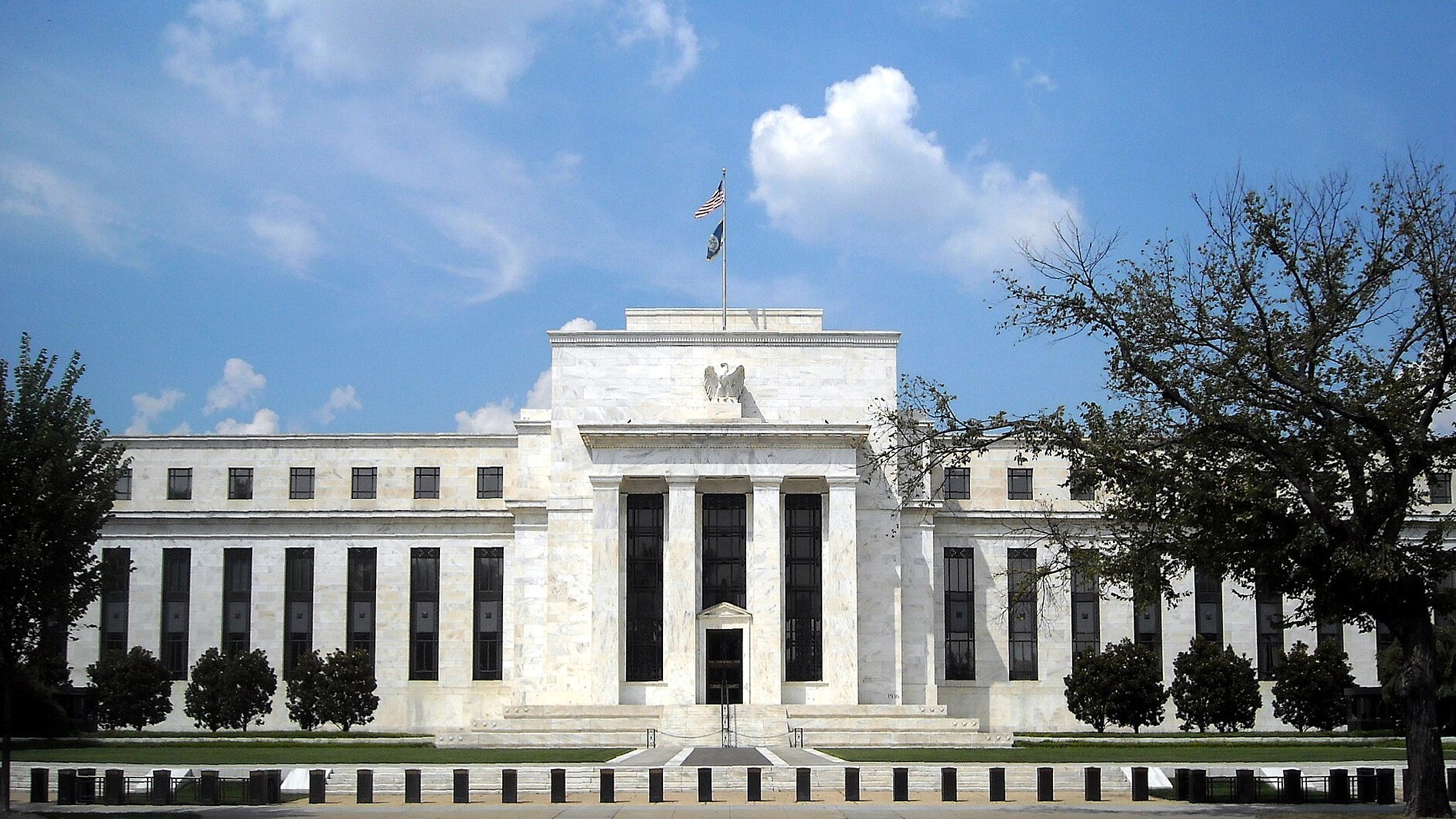
Photo: The Nebraska State Capitol in Lincoln. Nanilluc via Wikimedia Commons (CC BY-SA 4.0).
Nineteen Nebraska state senators have asked for a special legislative session to stop Medicaid cuts that the state Department of Health and Human Services plans to put in place on Jan. 1, setting up a constitutional standoff with Gov. Jim Pillen, who says only he can call lawmakers back to Lincoln and that he sees no reason to do so.
The request, made public Monday, Nov. 24, is backed by all 15 Democratic senators, one left-leaning independent and three term-limited Republicans, Nebraska Public Media reported. Among the Republicans is Sen. Victor Rountree of Bellevue. Supporters need 33 of the Legislature’s 49 members to sign on, which means they must persuade 14 more colleagues, most of them Republicans, in a matter of days.
What DHHS plans to cut
DHHS notified providers on Friday, Nov. 20, of a package of reductions tied to the state’s budget shortfall. According to Nebraska Public Media, Medicaid reimbursement rates for providers will drop 3% in 2027. Rates under the Developmental Disabilities Waiver, which pays for home and community services for Nebraskans with intellectual and developmental disabilities, will fall 4% in 2027 and another 4% in 2028.
The department also plans the state’s first waiting list for the Aged and Disabled Waiver, which helps older adults and people with disabilities receive care at home instead of in nursing facilities, KETV reported. KSNB and KOLN reported that the package includes changes to Medicaid services and new copays for some enrollees. The state has not publicly detailed copay amounts, the number of people affected or the savings it expects.
In an email to providers, Tony Green, director of the DHHS Division of Disability and Aging, wrote that responsible stewardship of Medicaid dollars requires the agency to evaluate program spending, Nebraska Public Media reported.
How Nebraska got here
The cuts follow more than a year of budget strain. Lawmakers opened the 2026 session facing a $471 million gap and closed it in April with about $6.2 million left on the books. By the end of June, tax receipts had come in $307 million below forecast, and Pillen ordered agencies to prepare 5% cuts for the 2027 fiscal year. In late October, the state’s Economic Forecasting Advisory Board projected a shortfall of about $209 million for the current fiscal year, growing to as much as $847 million by 2028-29.
Home care programs have been a target before. Last January, Pillen reversed a DHHS plan that would have cut the weekly cap on paid caregiver hours from as many as 112 to 40, WOWT reported, after families pushed back. DHHS said at the time that waiver costs had risen 300% over a decade.
Who can call a special session?
The fight now turns on a legal question that has never been settled in court. Article IV, Section 8 of the Nebraska Constitution gives the governor power to convene the Legislature in special session. A state law, section 50-125, lays out a separate path: at least 10 senators bring a written request to the secretary of state, who circulates it to every member. If two-thirds of senators, or 33, sign, the request goes to the governor, who under the statute shall proclaim a session within five days.
The senators’ letter went to Secretary of State Bob Evnen to start that process. KETV reported that backers have 10 days to reach the 33-signature threshold.
Pillen rejects the premise. “Statute cannot subvert the constitution,” he said, according to Nebraska Public Media. Clerk of the Legislature Brandon Metzler told the outlet the statute has long been considered questionable and that a governor could legally ignore 33 signatures, though doing so would carry political consequences. Attorney General Mike Hilgers declined to weigh in. Sen. Danielle Conrad of Lincoln called it an open legal question at best.
What each side is saying
Supporters argue the cuts will land before the regular session can respond. “Waiting until January would be too late,” Sen. Machaela Cavanaugh of Omaha said, KETV reported. Conrad urged state leaders to look for savings beyond programs that serve people with disabilities and older adults, saying the families affected are not examples of waste, fraud or abuse. Rountree said the people relying on these services want to be treated as individuals rather than numbers on a spreadsheet.
Pillen said there is no need for a special session at this time. He has argued that the state’s welfare programs must be brought in line with other states and made sustainable, and that beneficiaries should have “skin in the game,” KSNB reported.
Health care groups have also objected. Jeremy Nordquist, CEO of the Nebraska Hospital Association, warned the 3% rate cut threatens rural hospitals and described it as “a death by 1,000 cuts,” Nebraska Public Media reported. Sarah Maresh of Nebraska Appleseed called the package a broad disinvestment in the state’s health systems.
Families who provide care at home described the reductions as a pay cut. Stacey Walling, who has cared for her son, who has quadriplegia, cerebral palsy and epilepsy, for 26 years, told KETV the decision was made unilaterally and that she has put plans on hold.
What it means for Nebraska
The developmental disability waiver cuts reduce what the state pays the agencies and independent providers who deliver services such as residential support, day programs and in-home help. Families who serve as paid caregivers, like Walling, would see their pay drop directly. If provider agencies respond to lower rates by scaling back, families could also face fewer service options.
A waiting list for the Aged and Disabled Waiver would be a first for Nebraska. People who qualify for nursing-home-level care but want to stay at home may have to wait for a slot, which could push some into facilities that cost Medicaid more per person.
For hospitals, especially small rural facilities that depend heavily on Medicaid and Medicare, a 3% rate reduction arrives as federal Medicaid changes are also reshaping the program. The Nebraska Hospital Association has warned that the cut threatens rural hospitals in particular.
For the state budget, the cuts are one piece of a larger effort to close a gap that forecasters expect to widen. Any decision to reverse them would require lawmakers to find money elsewhere or draw from reserves.
What happens next
- Late November and early December: Backers try to collect 33 signatures within the 10-day window reported by KETV.
- If 33 senators sign: The request goes to Pillen, who has said he does not believe the statute can compel him to act, raising the prospect of a court fight.
- Jan. 1, 2027: DHHS cuts take effect unless the state changes course.
- Jan. 6, 2027: The 110th Legislature convenes its first regular session, where the cuts and the budget gap will top the agenda.
Sources
- Nebraska Public Media: Can the Nebraska Legislature call a special session? Senators say yes, governor says no
- KETV: Nebraska lawmakers call for special session to reverse Medicaid waiver cuts
- KSNB: 19 Nebraska senators request special session on Medicaid cuts, budget deficit
- Nebraska Public Media: Death by 1,000 cuts: Nebraska Medicaid providers brace for rate reductions
- WOWT: Nebraska Gov. Jim Pillen reverses course on home care waiver cuts