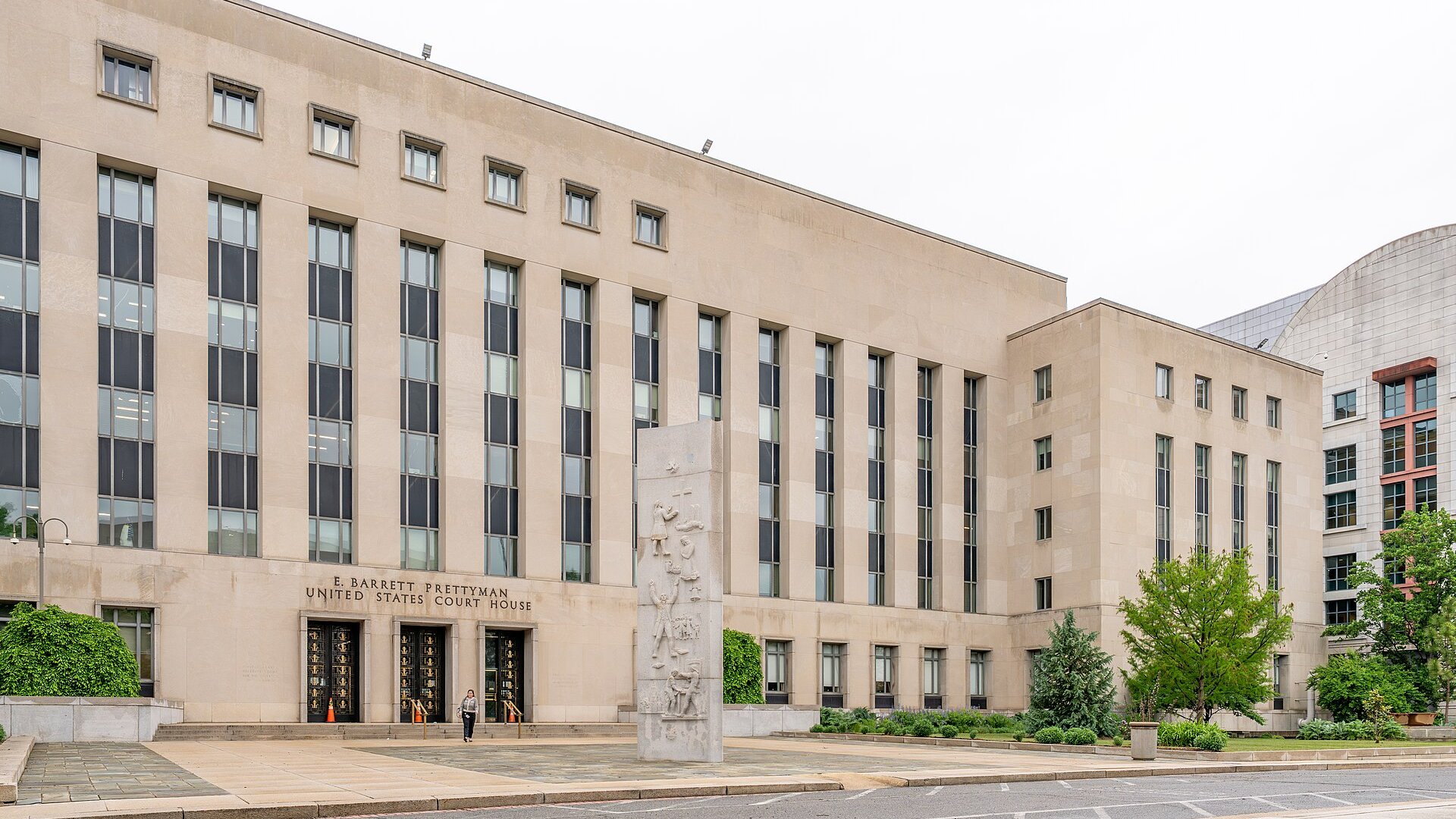
Photo: The Missouri River Federal Courthouse in Great Falls, Montana. Montanabw via Wikimedia Commons (CC BY-SA 3.0).
Federal immigration officers in Montana can no longer arrest people without a warrant unless they first decide, case by case, that the person is likely to flee before a warrant can be obtained. Chief U.S. District Judge Brian Morris issued that order on Wednesday, finding a strong likelihood that agents have been making unlawful arrests across the state.
The ruling applies to the Department of Homeland Security, Immigration and Customs Enforcement and Customs and Border Protection. It grants a preliminary injunction and temporary restraining order sought by four named plaintiffs, led by Jesus Verde Hernandez, and others in a similar position, according to the Daily Montanan and Newsweek. They are represented by the law firm Upper Seven Law.
What the order requires
Morris based the decision on a section of the Immigration and Nationality Act that lets immigration officers arrest someone without a warrant only if they have reason to believe the person is in the country unlawfully and is likely to escape before a warrant can be secured. The judge found that agents in Montana have been skipping the second half of that test.
Under the order, federal agents must:
- Make an individualized determination before any warrantless civil immigration arrest that the person is likely to escape before a warrant can be obtained.
- Promptly distribute the ruling to the officers it covers.
- Provide documentation of any warrantless arrest to legal counsel within 72 hours.
- Hold off on transferring anyone arrested without a warrant out of the District of Montana for seven days.
Newsweek reported that the judge found a “high likelihood” that at least 50 warrantless arrests made in Montana since July 31 were unlawful, and that most DHS immigration arrests in the state since late July had been made without a warrant. The order describes a “policy and practice of making unlawful arrests” that, in the court’s view, agents would not stop on their own.
Morris also found that detention was being used to pressure people into self-deporting. He wrote that people with potentially valid claims for release were being pushed to give them up without a chance to talk to a lawyer and on the basis of misinformation about the immigration process. The order notes that the Fourth Amendment’s ban on unreasonable seizures covers noncitizens who have developed substantial connections to the United States.
How the case got here
The judge traced the problem to January 2025, when the administration began pushing for mass immigration arrests. In Montana, the dispute has been building in court for months.
- August 2026: The court found warrantless immigration arrests in Montana to be illegal, according to Upper Seven Law.
- September 2026: Morris ordered the release of 24 detained immigrants held in Cascade County after finding they were arrested without warrants and without proof they were likely to flee, Newsweek reported.
- Nov. 25, 2026: Morris grants the injunction covering warrantless arrests statewide.
Upper Seven Law says it has secured the release of 71 people from what it calls wrongful immigration arrests since it began this work. It also represents a similar group of people in a related case, Hernandez v. Crosson. The firm says arrests have happened at gas stations, job sites and traffic stops, sometimes after officers noticed that people were speaking Spanish. It says those detained have included teenagers and families with young children, and that some people were held in cells around the clock without time outdoors. Those claims come from the plaintiffs’ lawyers and have not been tested at trial.
Montana is not alone. Judges in Colorado, Oregon, California and New York have issued similar rulings limiting warrantless immigration arrests, according to Newsweek, and Morris cited the broader pattern of court decisions finding the practice unlawful.
What each side says
Molly Danahy, Upper Seven Law’s litigation director, said the court has repeatedly warned federal officials about their conduct. “This injunction is absolutely necessary to stop these unlawful policies and practices,” she said in a statement.
The Department of Homeland Security did not respond to the Daily Montanan’s question about whether officers would comply, and Newsweek said it had also sought comment. The administration has made stepped-up immigration enforcement a central priority since January 2025, and the court acknowledged in its order that the government has a legitimate interest in enforcing immigration law. The judge’s point was narrower: that the law sets conditions on how those arrests are made.
What it means for Montana
For immigrants living in Montana, the order changes what happens at the moment of a stop. An officer who does not have a warrant now has to make and document a specific judgment that the person is a flight risk before making a civil immigration arrest. If agents do make a warrantless arrest, lawyers must receive paperwork within 72 hours, and the person cannot be moved out of the state for a week. That window matters because transfers to detention centers far from Montana can make it much harder for families and attorneys to locate someone and file a challenge.
The ruling does not stop immigration enforcement in the state. Agents can still arrest people with a warrant, and they can still make warrantless arrests when they have made the required flight-risk determination. It also does not resolve the underlying lawsuit. It is an interim order meant to hold things in place while the case continues.
What happens next
The case now moves forward on the merits, with the injunction in effect in the meantime. The federal government can ask Morris to reconsider or appeal to the U.S. Court of Appeals for the 9th Circuit. If the plaintiffs believe agents are violating the order, they can return to court and ask the judge to enforce it. Similar cases in other states are moving on their own tracks, and conflicting outcomes could eventually push the issue toward a higher court.
Sources
- Daily Montanan: Federal court orders authorities to stop making warrantless immigration arrests
- Newsweek: Trump immigration crackdown dealt blow as judge blocks warrantless arrests
- Cornell Law School LII: 8 U.S. Code 1357, Powers of immigration officers and employees