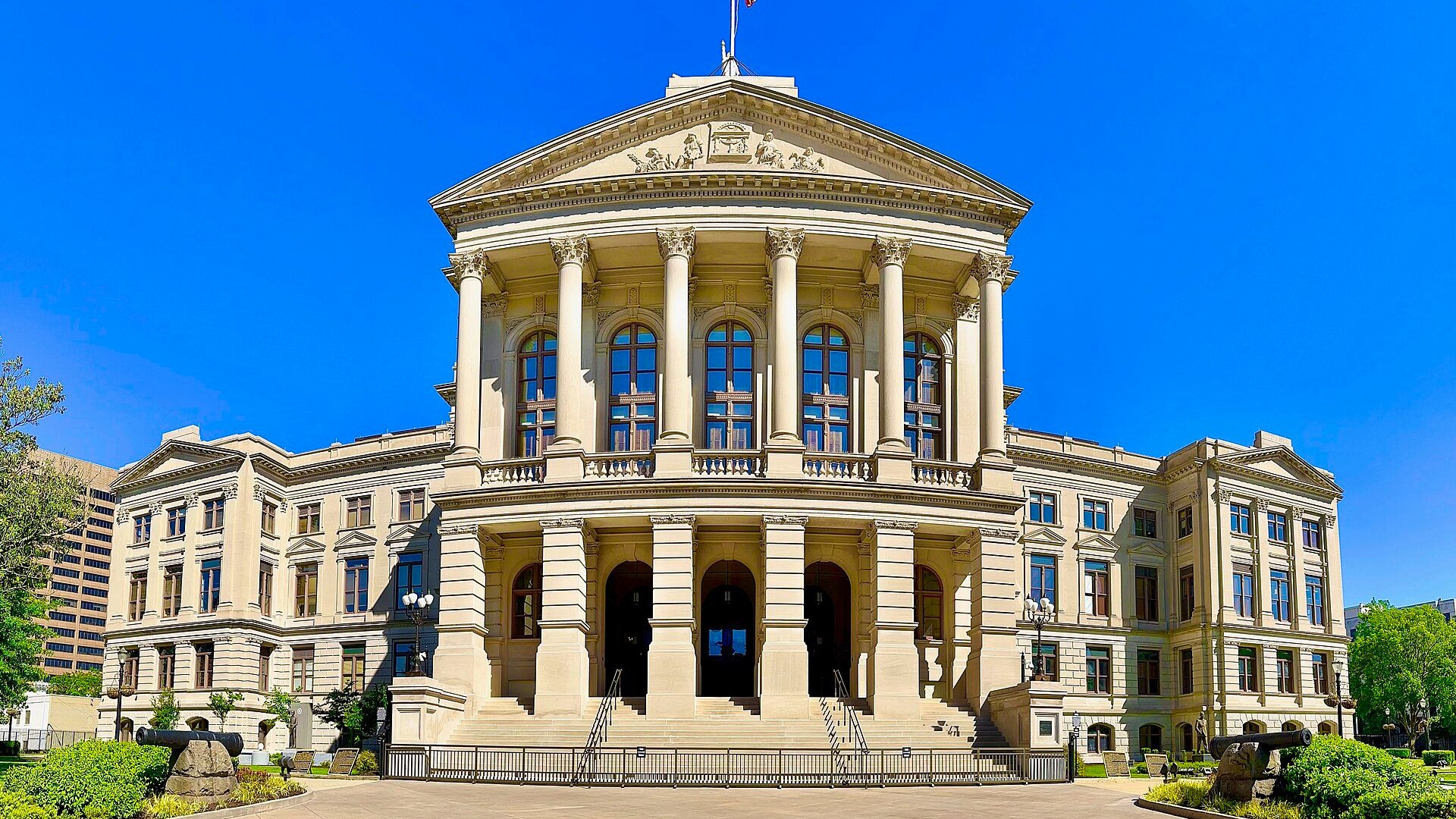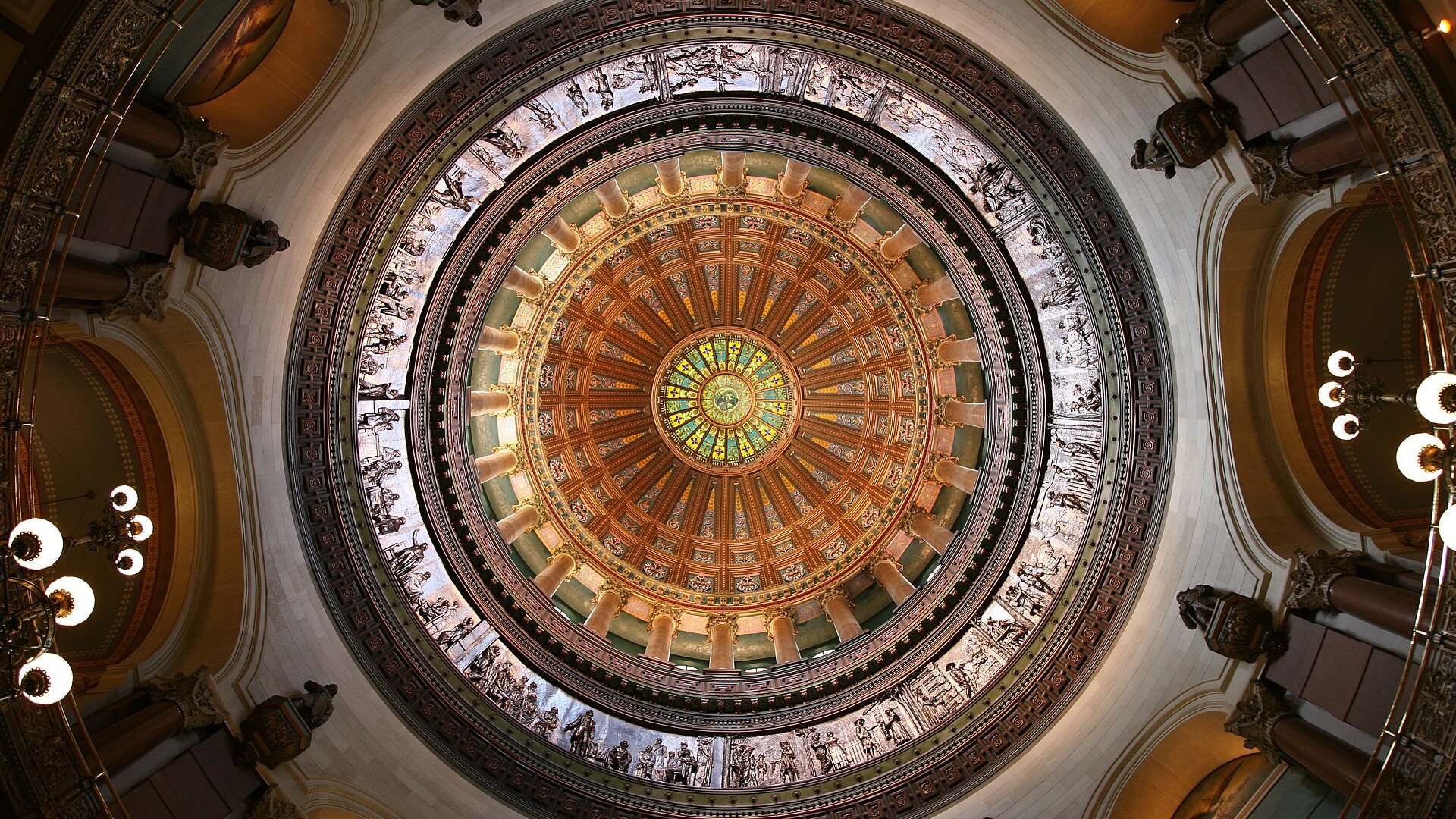
Photo: The dome of the Illinois State Capitol in Springfield. Daniel Schwen via Wikimedia Commons (CC BY-SA 4.0).
Illinois will stay out of the new federal tax credit for K-12 scholarship donations, Gov. JB Pritzker announced Tuesday, keeping the state out of a program that more than 30 states have already joined.
The decision means scholarship-granting organizations serving Illinois students will not be able to offer donors the federal credit, which was created by the 2025 One Big Beautiful Bill Act. Supporters say that leaves a large new pool of private money for low- and middle-income students on the table. Opponents call the program a voucher plan that would steer resources away from public schools.
How the federal program works
The Federal Scholarship Tax Credit gives taxpayers a dollar-for-dollar, nonrefundable credit against their federal income taxes for donations to approved scholarship-granting organizations. According to Capitol News Illinois, the cap is $1,700 a year per taxpayer, or $3,400 for a married couple. The scholarships themselves have no set dollar limit.
Families qualify if their income is below 300% of the median income in their area. They can use the money for a broad set of education costs at private, public and charter schools. That includes tuition, but also tutoring, books and other expenses, which is a point supporters have stressed in arguing the program is not only for private school families.
The credit only works in states whose governors opt in. States faced a Jan. 1 deadline to do so. As of mid-November, 31 states had joined, according to Internal Revenue Service figures cited by ABC7 Chicago. Capitol News Illinois reported that some of those states are led by Democrats. Chalkbeat Chicago reported in October that New York Gov. Kathy Hochul and Colorado Gov. Jared Polis were the only Democratic governors to opt in at that point, while most others were undecided or had declined.
Why Pritzker said no
Pritzker framed the decision as a choice to keep attention and dollars on public schools. “We should not siphon money from public schools for private education,” he said in a statement, according to Capitol News Illinois.
His office listed several objections beyond that broad argument:
- States that opt in cannot set their own standards for the organizations that award scholarships.
- The credit reduces federal revenue that, in the governor’s view, should support education directly.
- The program creates an incentive toward private schooling.
- Because families earning up to three times the local median income qualify, there is no guarantee the money reaches low-income students.
- Some private schools that could benefit may discriminate based on religion, sexual orientation or other traits, the governor argued.
Unfinished federal rules were another sticking point. The Treasury Department released proposed regulations in early October, and Chalkbeat reported they lacked guardrails some Democratic governors had wanted, such as ways to steer money toward low-income students or set standards for scholarship groups. Cassie Creswell of Illinois Families for Public Schools told ABC7 Chicago that the federal government had not finalized its regulations or issued detailed guidance on what expenses qualify, leaving opt-in governors to make decisions without full information.
A familiar fight in Springfield
Illinois has argued over this question before. In 2017, then-Gov. Bruce Rauner, a Republican, and Democratic legislative leaders agreed to create Invest in Kids, a state program that gave donors a 75% income tax credit for gifts to private school scholarship funds. It was part of the deal that produced the state’s evidence-based school funding formula, and it was capped at $75 million a year.
Teachers’ unions and progressive lawmakers opposed Invest in Kids from the start. The General Assembly let it expire at the end of 2023 despite a heavy lobbying campaign by private schools and families. Pritzker opposed the program as a candidate in 2018, but said in 2023 that he would have signed an extension had lawmakers sent him one. Supporters of the federal credit have pointed to that 2023 comment as a sign he might take a different approach this time.
Reaction
The decision drew praise from teachers’ unions, public education groups and state education officials. Stacy Davis Gates, who leads both the Illinois Federation of Teachers and the Chicago Teachers Union, called the federal plan a scheme with no oversight and said Illinois public school students deserved better. State Superintendent of Education Tony Sanders said Washington should focus on strengthening public schools. Karl Goeke, president of the Illinois Education Association, told ABC7 Chicago the federal credit would repeat the problems his union saw with Invest in Kids.
Private school leaders and Republicans criticized the move. The Catholic Conference of Illinois, whose member dioceses run one of the state’s largest private school systems, said it was perplexed because the scholarships can also be used by public school students, and it urged the governor to change course before the deadline. Senate Republican Leader John Curran of Downers Grove accused Pritzker of putting national politics ahead of Illinois families.
Josh Hale, president of the Big Shoulders Fund, which supports students in low-income neighborhoods in Chicago and Northwest Indiana, said the program would have brought in new money without cutting anything already in place. “This helps children,” Hale told ABC7 Chicago, arguing that the funds could have paid for tutoring and special education services.
What it means for Illinois
For most of Illinois’ public school families, nothing changes in the short term. State school funding is not affected, because the credit is purely federal and states that join do not pay into it.
The effect falls mainly on private schools, scholarship groups and families who had hoped to use the scholarships. Taxpayers anywhere can still donate and claim the credit, but students in states that have not opted in cannot receive the scholarships, according to Chalkbeat. That means Illinois schools whose students once relied on Invest in Kids scholarships will not get a federal replacement while the decision stands. Groups such as Big Shoulders argued that students in under-resourced neighborhoods would lose the most, while public school advocates said the bulk of the benefit would have gone to families already paying private tuition.
Because participation is decided state by state, scholarship availability will depend on where a family lives. Students in participating states can receive awards funded by donors nationwide, while Illinois students cannot.
What happens next
- Jan. 1, 2027: the deadline for states to opt in. The Catholic Conference has urged Pritzker to reverse course before then.
- 2027: the federal credit takes effect in participating states.
- Ongoing: federal agencies are still working to finalize rules for the program, which could shape whether other holdout states reconsider.
Sources
- Capitol News Illinois via KWQC: Pritzker announces Illinois will not join federal scholarship tax credit program
- ABC7 Chicago: Illinois opts out of federal education tax credit program, sparking school funding debate
- Chalkbeat Chicago: Pressure builds on Pritzker over whether to opt Illinois into federal education tax credits